Learning & Design Lab (LDL) — School Partnership Model
A year-long partnership with a school where Matiq Labs works alongside educators to examine their school's data, build better teaching practices, and design structural changes from the inside out.
Who it serves: Teachers, instructional coaches, school culture and climate staff, and school leaders at K–12 schools. No eligibility criteria beyond school partnership and principal buy-in.
What it includes:
The LDL has three interlocking components that run simultaneously across the year:
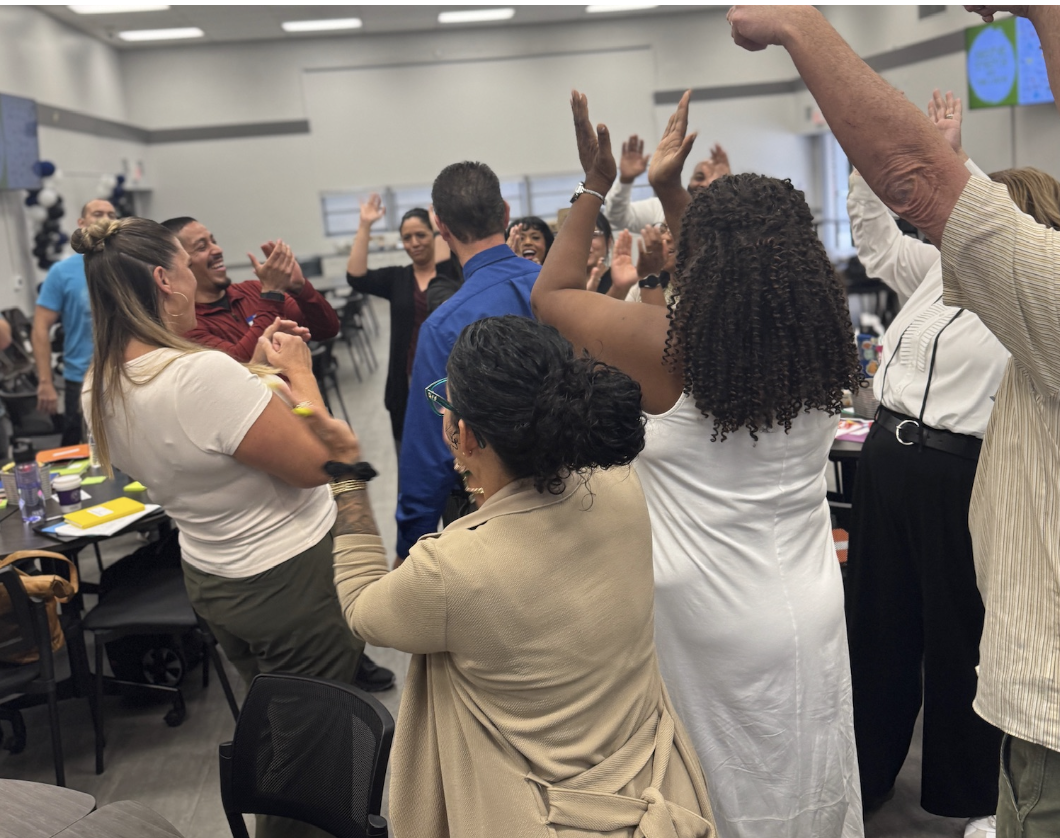
All-Staff Launch (August) — A full-day professional development experience before school starts. Teachers leave with a ready-to-use, project-based learning unit designed for their specific students and content area. This is the instructional foundation the rest of the year builds on. The day is organized around Liberatory Project-Based Learning: structure, creativity, and student engagement — in that order, and all three at once.
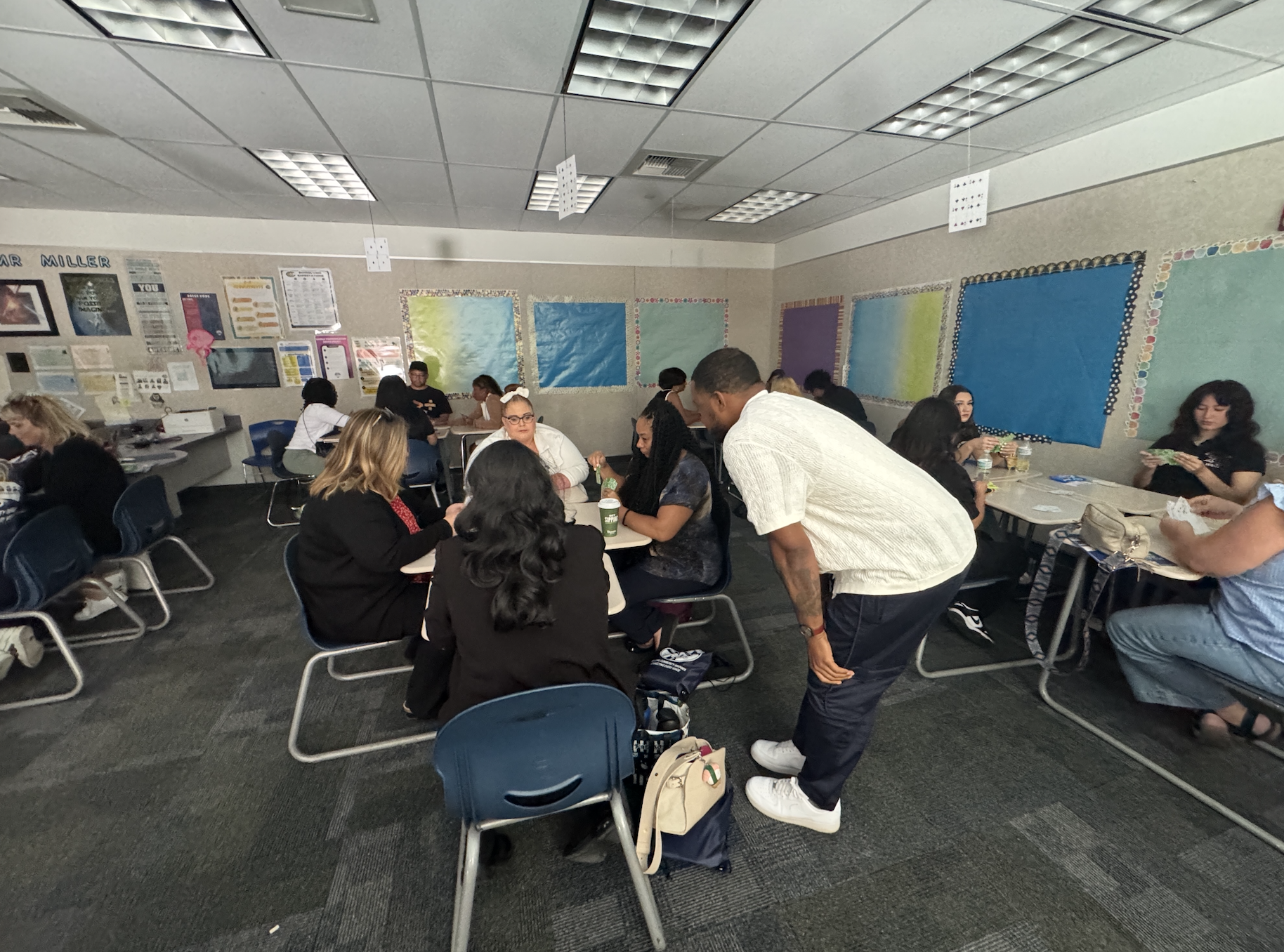
Monthly All Staff PD Sessions (5 per year) — Whole-staff sessions that follow a year-long arc: taking stock of what exists → naming what's producing harm → building tiered support structures (MTSS) → incorporating student voice → sustainability planning and shareout. Each session builds on the last.
Monthly Thursday Working Sessions (up to 15 per year) — Separate sessions with two distinct teams:
School Culture and Climate Team (SCCT): moves staff from responding to incidents to designing the conditions that prevent them
Instructional Leadership Team (ILT): aligns coaching and curriculum to the PBL vision and MTSS continuum
Between sessions, Matiq Labs provides advisory support, data analysis (referrals, attendance, chronic absenteeism), and documentation.
The four-phase model (SEE / NAME / DESIGN / ACT):
Phase 1 (SEE): Examine data, surface inequity, build shared situational awareness — What is actually happening here?
Phase 2 (NAME): Build shared language, root cause analysis, connect data to lived experience — Why is this happening?
Phase 3 (DESIGN): Prototype solutions, liberatory design tools, educator-led co-creation — What could we try differently?
Phase 4 (ACT): Implement pilots, document practice, change, reflect and iterate — What changed and what's next?
Each year builds on the last. The loop is continuous.