The Problem We Exist to Solve
Kids are being failed by their schools — especially Black and Brown students, and neurodiverse students. When that happens, the usual response is to bring in outside experts who show up, tell everyone what's wrong, and leave. Teachers get handed a binder. Nothing changes. The people who actually know these kids — their teachers, counselors, coaches — are treated like the problem, or like they need to be fixed. But they're rarely asked: what do you see? What do you think would work? So the same things keep happening. Kids get sent out of class. Kids stop showing up. And everyone assumes it's because of the kids — when really, it's because of how the school is set up.
What We Do About It
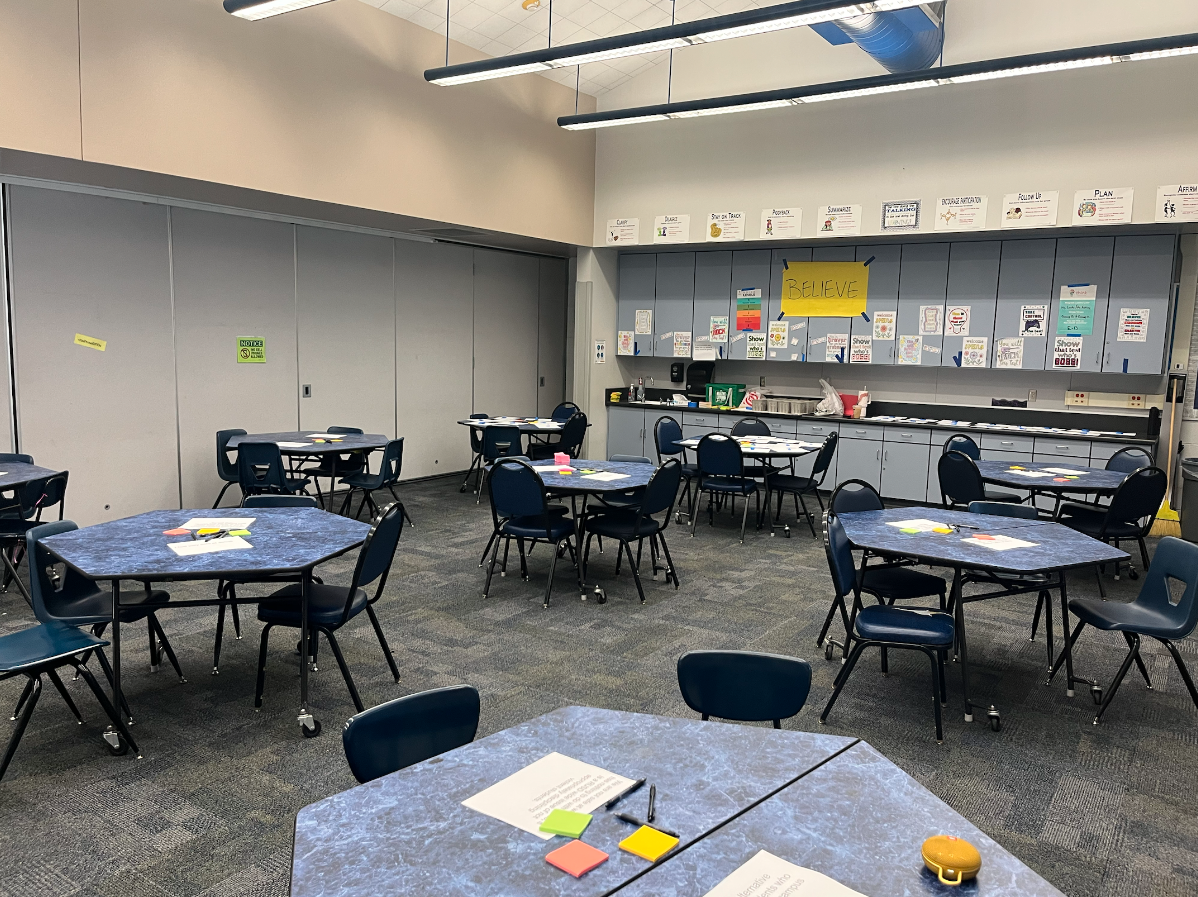
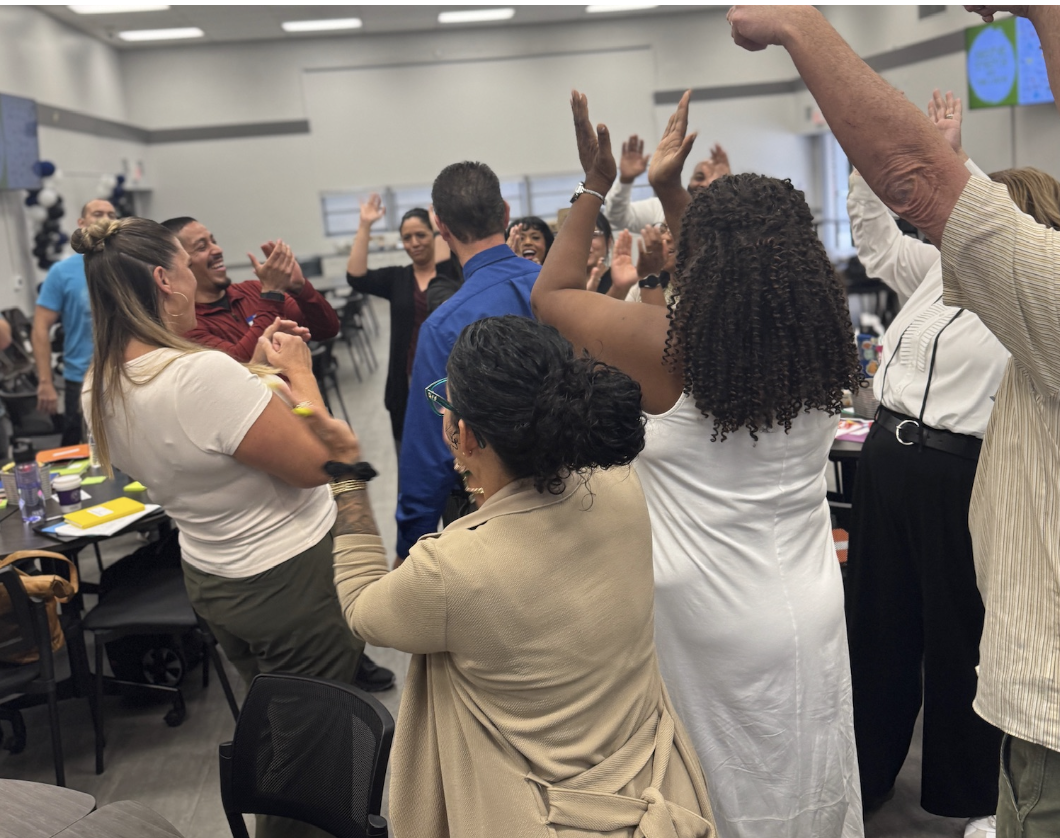
We create a year-long space where educators work together to figure out what's actually going on in their school — and then build something better, together. We believe three things:
The people closest to kids have the answers. This isn't a training where someone tells teachers what to do. It's a lab where teachers investigate, design, and build — with real support behind them.
Better teaching prevents most problems. When students are genuinely engaged — when the work is interesting, relevant, and respects who they are — they don't disengage. Most referrals and behavior issues are a signal that the instruction isn't working, not that the kid isn't.
You can't fix what you haven't named. We help educators look honestly at their school's data and ask hard questions: Why do certain kids get sent out more? Why are some students chronically absent? Those aren't kid problems — they're system problems. And the adults in the building can change them.
What Changes If It Works
For kids, a school actually feels like it was built for them. They have a voice. They're engaged. Fewer of them get pushed out. For staff, teachers and school leaders feel trusted, supported, and capable of driving real change in their own building. They leave with tools and skills they keep forever, not just for the duration of a program. For schools, you’ve built enough internal capacity to keep the work going on its own. The goal is never for schools to need us forever. It's the opposite. For the field, every school we work with adds to a growing body of real, practitioner-led evidence about what equitable schools actually look like in practice.
The bottom line: schools that used to manage the problem start building the conditions to solve it.